



Choose the right office furniture color to double employee efficiency
Click:
Time:2024-12-02 13:41:34
In modern office environments, the choice of office furniture is often considered a functional priority decision. But in fact, the color of furniture not only affects the beauty of the space, but also has a profound impact on the work status and efficiency of employees. Scientific research shows that color psychology plays an important role in improving employee morale, concentration and creativity. So, how to use color to add value to your office space and double employee efficiency?
1. The impact of color on employee psychology
Color directly affects the cerebral cortex through vision, which in turn affects our emotions, behaviors and thinking patterns. For example:
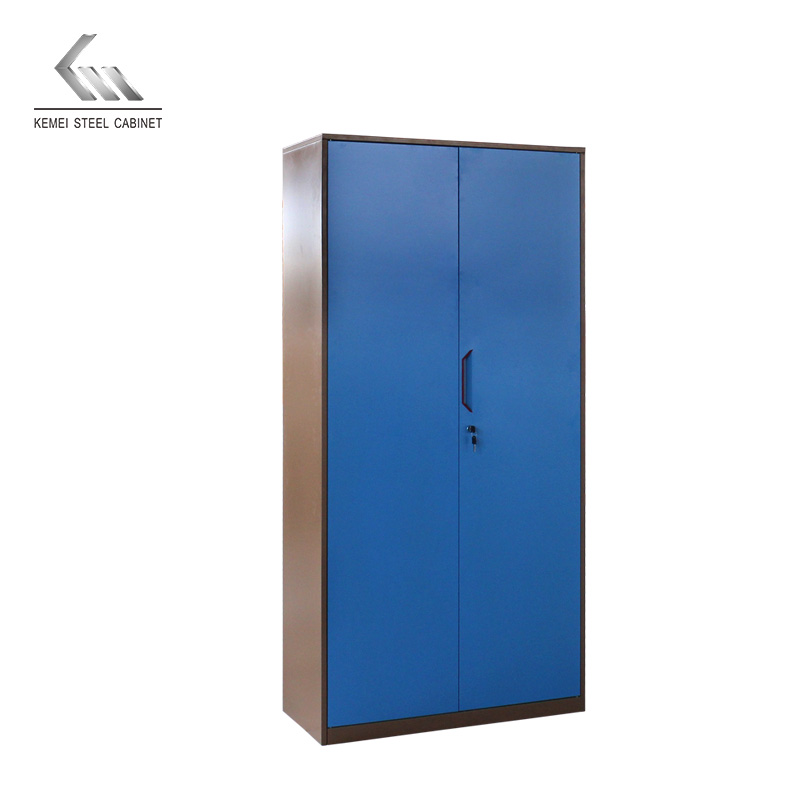
- Blue: Known as the "color of concentration", it can lower blood pressure and help employees concentrate, suitable for work environments that require high-intensity thinking.
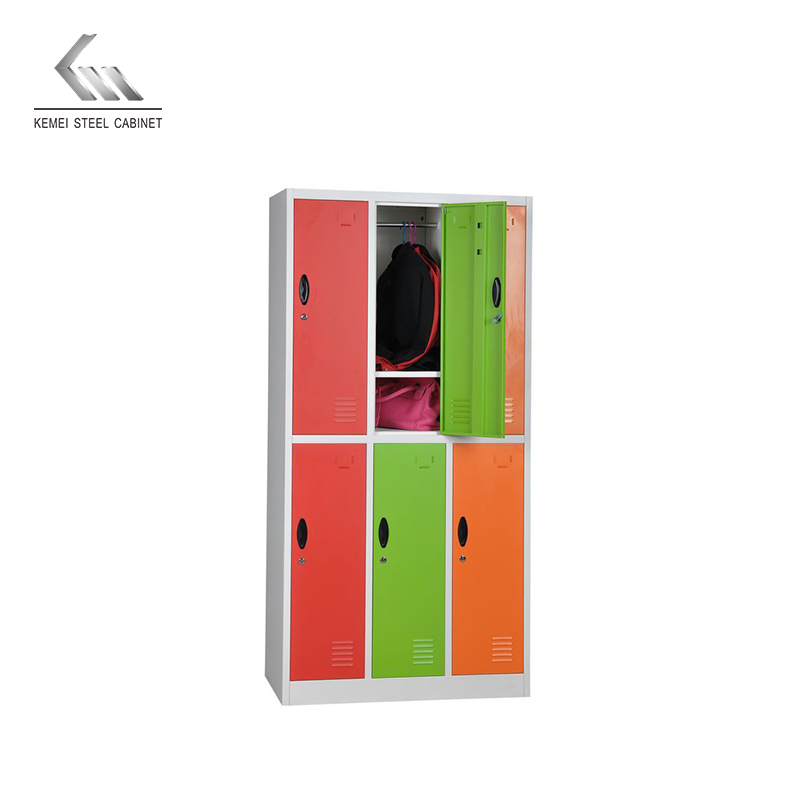
- Green: Symbolizes nature and relaxation, can reduce eye fatigue, and enhance happiness, very suitable for open offices or creative spaces.
- Yellow: A vibrant and creative color that can inspire innovative thinking, suitable for brainstorming areas or places where morale needs to be boosted.
- Gray and white: Neutral tones can create a calm and professional atmosphere, but if used too much, they may appear monotonous and need to be embellished with other colors.
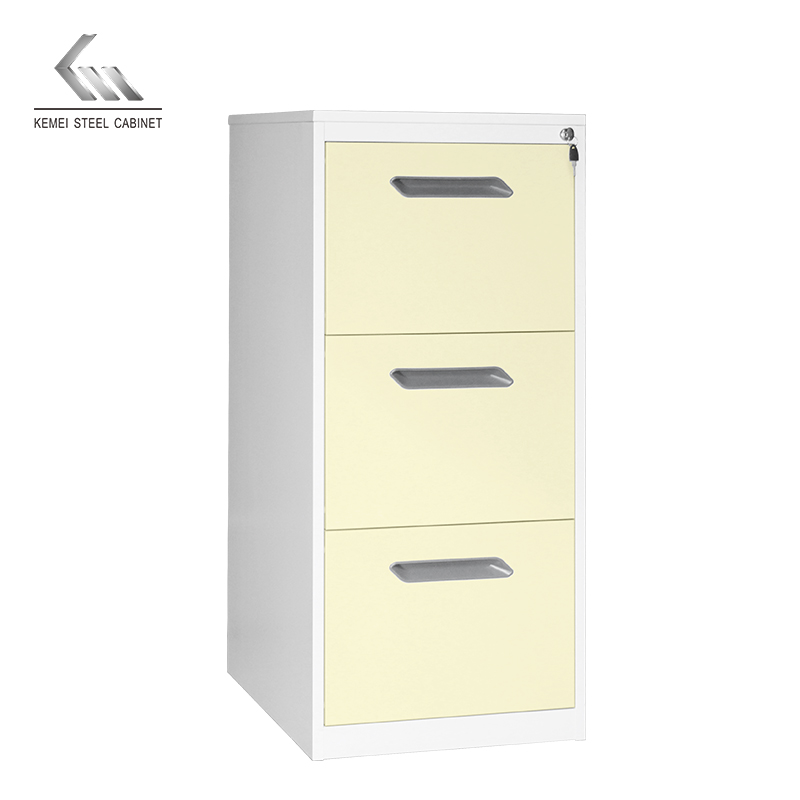
2. Color recommendations for different office areas
In order to improve efficiency, different areas can choose appropriate colors according to their functions:
- Work area: mainly blue or green, with light gray or white, to create a focused and relaxing atmosphere.
- Meeting room: Appropriate use of yellow or orange embellishments to stimulate employees' creativity and sense of participation.
- Rest area: soft green or beige, create a comfortable and relaxing environment to help employees quickly recover their energy.
- Leader's office: dark wooden furniture with a gray-blue background, reflecting authority and professionalism while maintaining affinity.
3. Choose exclusive colors in combination with corporate culture
The choice of color should also consider corporate culture. For example, technology companies can use a combination of blue and white to highlight innovation and technology; creative industries can try bright color combinations to highlight personality and vitality. While emphasizing the brand tone, ensure that the color is in harmony with the overall office environment.
4. Use color to create a multi-functional office space
With the rise of hybrid office models, office space needs to be more flexible. Using furniture of different colors to distinguish functional areas can not only make the space more organized, but also help employees quickly switch work status. For example, use green screens to divide private workspaces in open areas, and add yellow chairs to conference rooms to create enthusiasm for discussion.
5. Pay attention to the balance of color matching
Although color can improve efficiency, overly strong or uncoordinated color matching will distract attention. Therefore, when choosing furniture colors, you need to pay attention to the following points:
- Light and dark matching: light colors are the main color, and dark colors are the auxiliary color, which is neither dull nor too ostentatious.
- Unified style: maintain the consistency of the overall vision and avoid too much color clutter.
- Reasonable proportion: control the area of bright colors, such as using bright colors as embellishments instead of large areas.

点击右上角
分享给朋友吧







 Long by picture save/share

 Kitty
Kitty